The Comeback Trap: Your Ego Remembers. Your Tendons Don't.
You remember what you were capable of. The body has a shorter memory than the ego. The gap between those two things is where most comeback injuries happen.
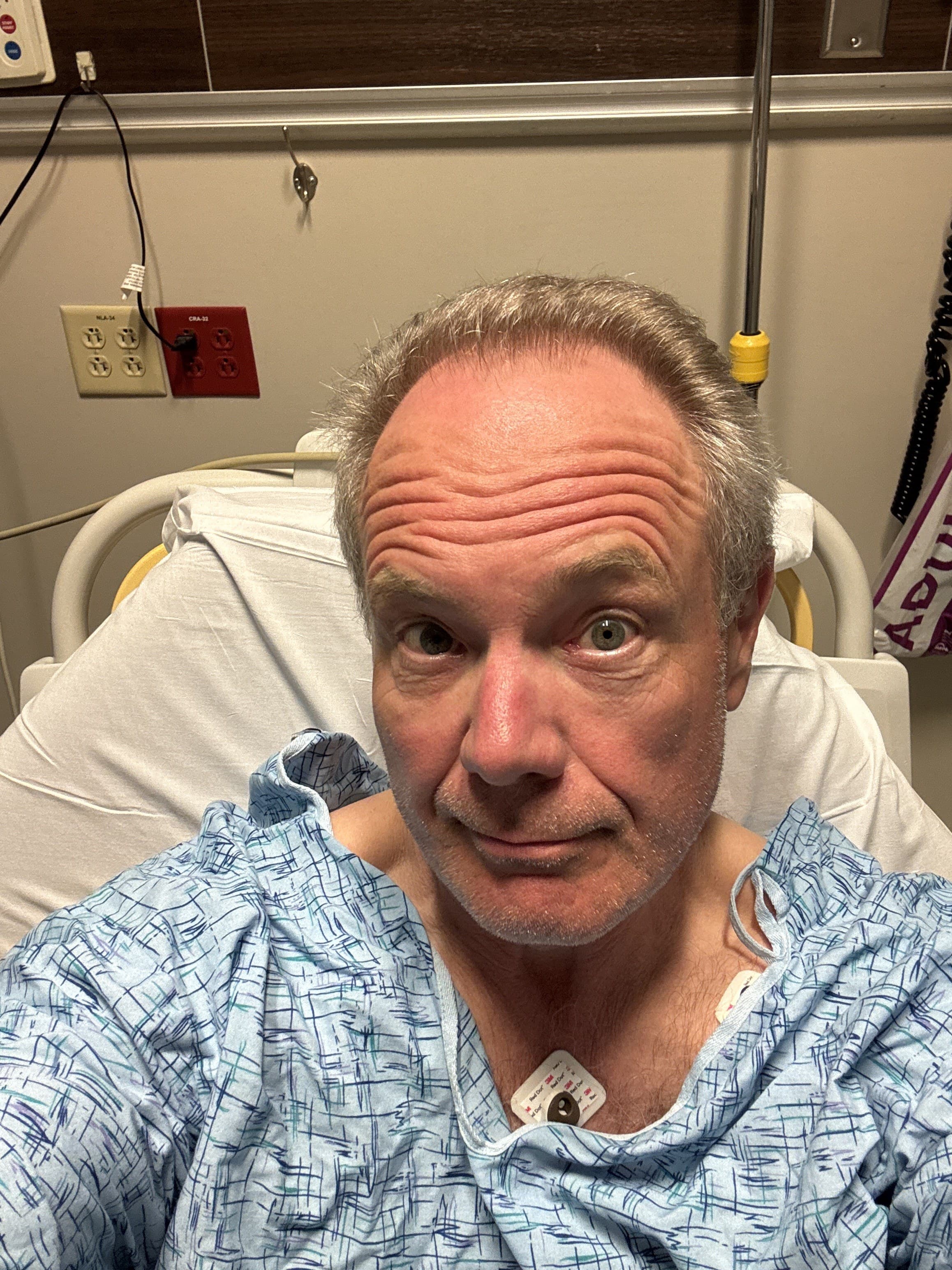
I know because I lived it. At 59, I had heart surgery. At 60, I started training for a marathon. And the hardest part wasn't the miles or the scar tissue. It was sitting with how slow I'd become compared to the version of me I kept replaying in my head.
Your lungs come back in weeks. Your heart adapts in a couple of months. But tendons and ligaments? They don't care about your ego's timeline. They rebuild on their own schedule. You'll feel ready long before your connective tissue agrees. That's the trap.
The first eight weeks
Movement before intensity. Walking before running. Bodyweight before barbells. Not philosophy. Science.
Three cardio sessions per week at a pace where you can hold an actual conversation. Not a gasping, three-word conversation. A real one. Do that for eight weeks before you even think about intervals or tempo work. It will feel embarrassingly slow. Good. That means you're doing it right.
For strength: two sessions per week, compound movements, 60 percent of what you think you can lift. I wanted to load up the bar like it was 2019. I didn't. And that's the only reason I'm still training today instead of rehabbing a torn rotator cuff.
You cannot out-train bad nutrition
After 50, your body gets worse at building muscle from the same inputs. The research is clear: you need 1.6 to 2.2 grams of protein per kilogram of bodyweight daily. For a 185-pound person, that's roughly 135 to 185 grams a day. More than you think.
And you can't dump it all into one meal. Spread it across the day. A 30 to 40 gram protein breakfast is non-negotiable during a rebuild. Skip it, and you're leaving recovery on the table every single morning.
Sleep is where the actual work happens
Human growth hormone, the thing that repairs your tissue, releases primarily during deep sleep. Seven to nine hours. Not a luxury. The mechanism.
I used to treat six hours like a badge of honor. Then I started sleeping eight and my resting heart rate dropped five beats in two weeks. If you're training hard and sleeping six hours, you're doing the damage without the repair. That's not training. That's just wearing yourself down.
Let the watch be honest when you can't
A heart rate monitor changes everything about a comeback. It replaces the story you're telling yourself with actual numbers. And after 50, your internal effort gauge gets less reliable. You think you're at a 6 out of 10. Your heart rate says 8. Trust the watch.
Check your resting heart rate every morning. If it's five or more beats above your recent baseline, take the day easy. Not because you're weak. Because you're smart enough to know the difference between pushing through and pushing into injury.
Heart rate variability (HRV) adds another layer. But don't obsess over any single day's number. The trend across weeks is what matters.
Six months from now
Here's what nobody tells you about the patient comeback: the results feel wildly out of proportion to the effort. Your body remembers more than you'd expect. Scientists call it the 'beginner effect' and it applies even to experienced athletes returning after a long gap. The gains come fast once the foundation is set.
The people who rush the comeback end up extending it. Six months of patient work gets you back to full training. Skip the patience and you'll get there in 18 months, with a re-injury detour that costs you the very thing you were trying to protect: your time.
I wanted to be the guy who bounced back from surgery in three months. Instead, I became the guy who took six months and ran a marathon at 60. Slower path. Better ending.
Found this useful? Share it.